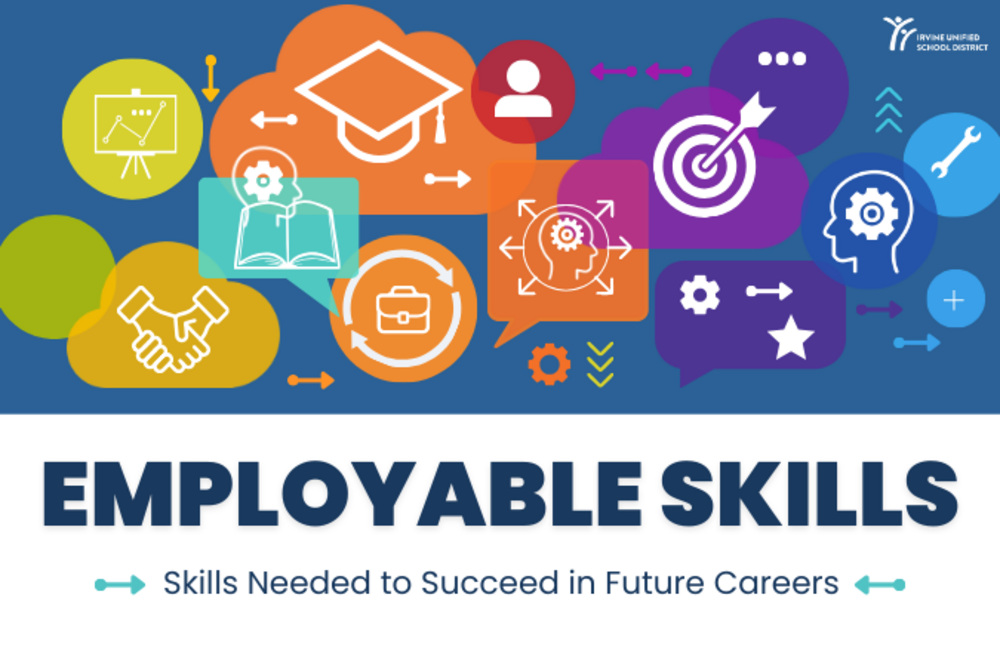
With rapid advances in technology continuing to transform the workplace, many parents and students may be asking what is needed to succeed in future careers. While technical skills, like coding, data analysis or graphic design, still matter, employers are beginning to prioritize other essential qualities such as how a person works, communicates and collaborates.
What Are Employable Skills & Why They Matter
What was once known as “soft skills,” the U.S. Department of Education’s Office of Career, Technical, and Adult Education is now redefining them as “employable skills.”
Many corporations and higher education institutions are also defining these skills as vital for future success and leadership positions in the workplace. The University of California, Irvine (UCI) emphasizes this by explaining that it is not just what you know, but how you work with others, that defines your potential. Technical skills may get you hired, but employable skills will define your leadership potential.
Employable skills include:
✅Problem solvers
✅Coachable
✅Approachable
✅Strong communicators
✅Reliable team members
How Parents Can Build Employable Skills in Young Children
Employable skills begin forming long before a child encounters their first job application. Small daily experiences build lifelong habits.
1. Encourage Teamwork Through Play
- Board games, sports, shared puzzles and cooperative activities help children learn how to take turns, share responsibility and encourage peers.
- Celebrate effort, not just winning, to build resilience.
2. Teach Problem-Solving and Critical Thinking in Everyday Situations
- Ask questions like, “What do you think we should do?”
- Let them brainstorm solutions when a toy breaks, a sibling disagreement arises or a plan changes.
3. Model and Practice Communication
- Teach children how to express feelings calmly and clearly.
- Use phrases like, “I feel… when…” to help them communicate respectfully.
4. Build Responsibility at Home
- Age-appropriate chores teach reliability and follow-through.
- Let them manage small tasks like feeding a pet or packing their school bag.
How Parents Can Continue to Strengthen These Skills During the High School Years
As teens grow, they need real-life opportunities to refine leadership, independence and interpersonal skills.
1. Encourage Part-Time Jobs or Volunteering
Customer service roles in particular strengthen communication, punctuality, and problem-solving.
2. Promote Involvement in Clubs, Sports or Community Groups
Team-based activities teach collaboration, conflict resolution, and leadership.
3. Support Time Management and Accountability
Have teens set their own schedules, balance homework with extracurriculars, and manage deadlines with minimal reminders.
4. Practice Real-World Communication
Help them develop confidence speaking to adults, introducing themselves, writing emails and holding professional conversations.
Being Future Ready Starts Now
While technical skills continue to be important, the ability to work well with others will define a child’s long-term career success.
As our education partners, we encourage you to start shaping these skills early. With the right balance of strengths, our children will be better prepared to succeed in a changing world.